Theta Labs issued U.S. Patent 12,462,164 for Modular Large Language Model (LLM) Guided Tree-of-Thought System
Theta Labs has now been awarded U.S. Patent 12,462,164 for “Modular Large Language Model (LLM) Guided Tree-of-Thought System”, validating the innovative and novel ways that EdgeCloud supports the implementation of cutting-edge AI models. The patent can be viewed on the USPTO website directly as a PDF here.
This patent approval follows numerous other Theta patents issued for highly scalable, decentralized systems, peer to peer methods, digital rights management and edge networks. The complete list of Theta’s patents can be found here. This new patent focuses on a Tree-of-Thought system that improves the problem-solving capabilities of Large Language Models (LLMs).
Key Innovations in the Patent
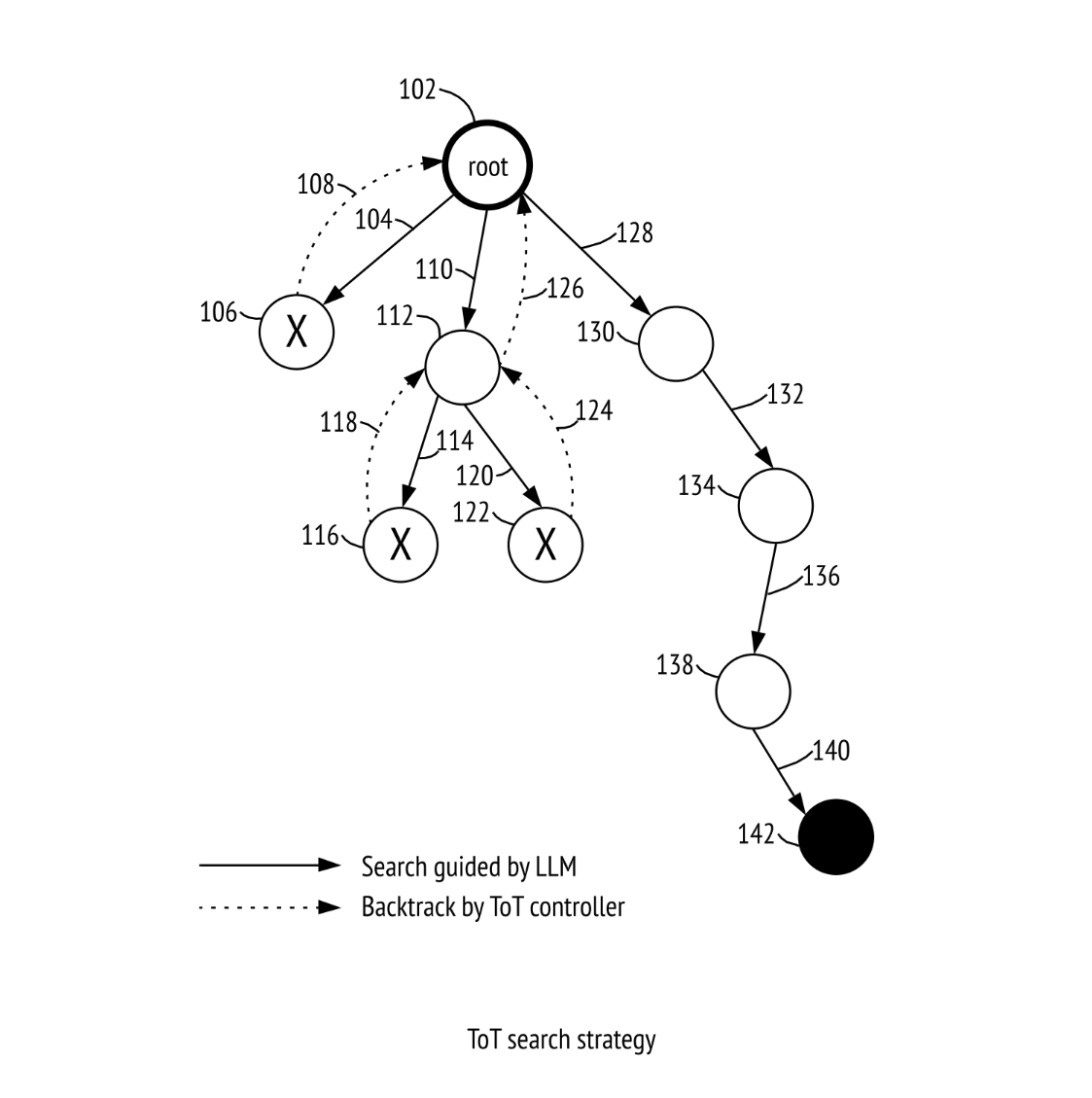
This new patent describes a Tree-of-Thought (ToT) reasoning system — a computational structure that models multi-step reasoning as an evolving search tree, where each node represents a “thought,” and edges represent transitions between reasoning states or partial hypotheses.
Each branch explores a possible line of reasoning or solution pathway. The system can evaluate, prune, and propagate promising thought paths dynamically — very similar to how Monte Carlo Tree Search (MCTS) or planning systems work, but generalized for AI reasoning and multi-agent computation.
The novelty in this invention lies in how it operationalizes ToT across a distributed environment:
Thoughts are units of computation (like “cognitive tasks”) that can be independently computed and verified.
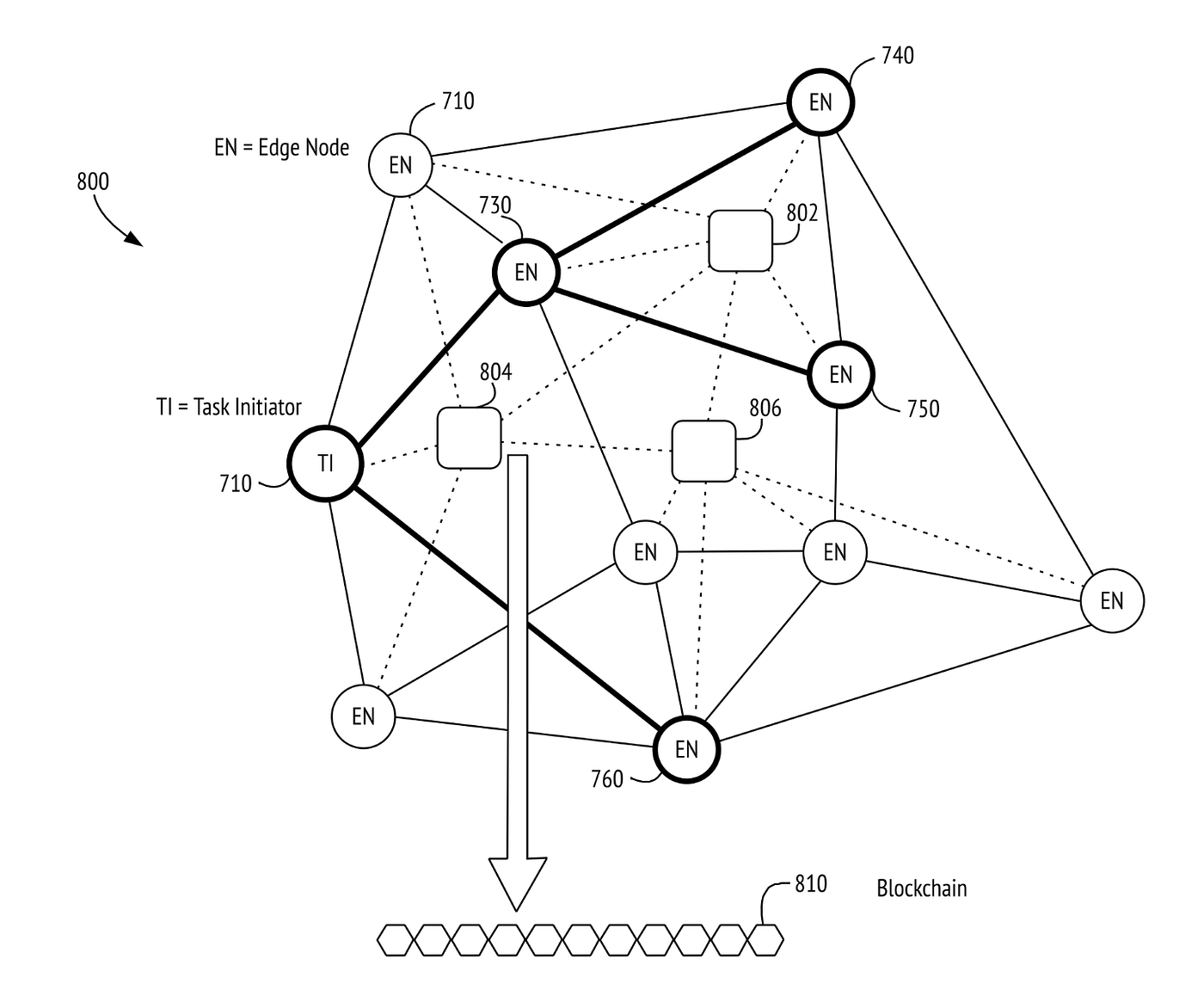
The tree’s branches can be distributed across different compute nodes, allowing concurrent exploration of reasoning pathways.
A coordination layer aggregates and prunes results in real time, steering global reasoning toward optimal outcomes.
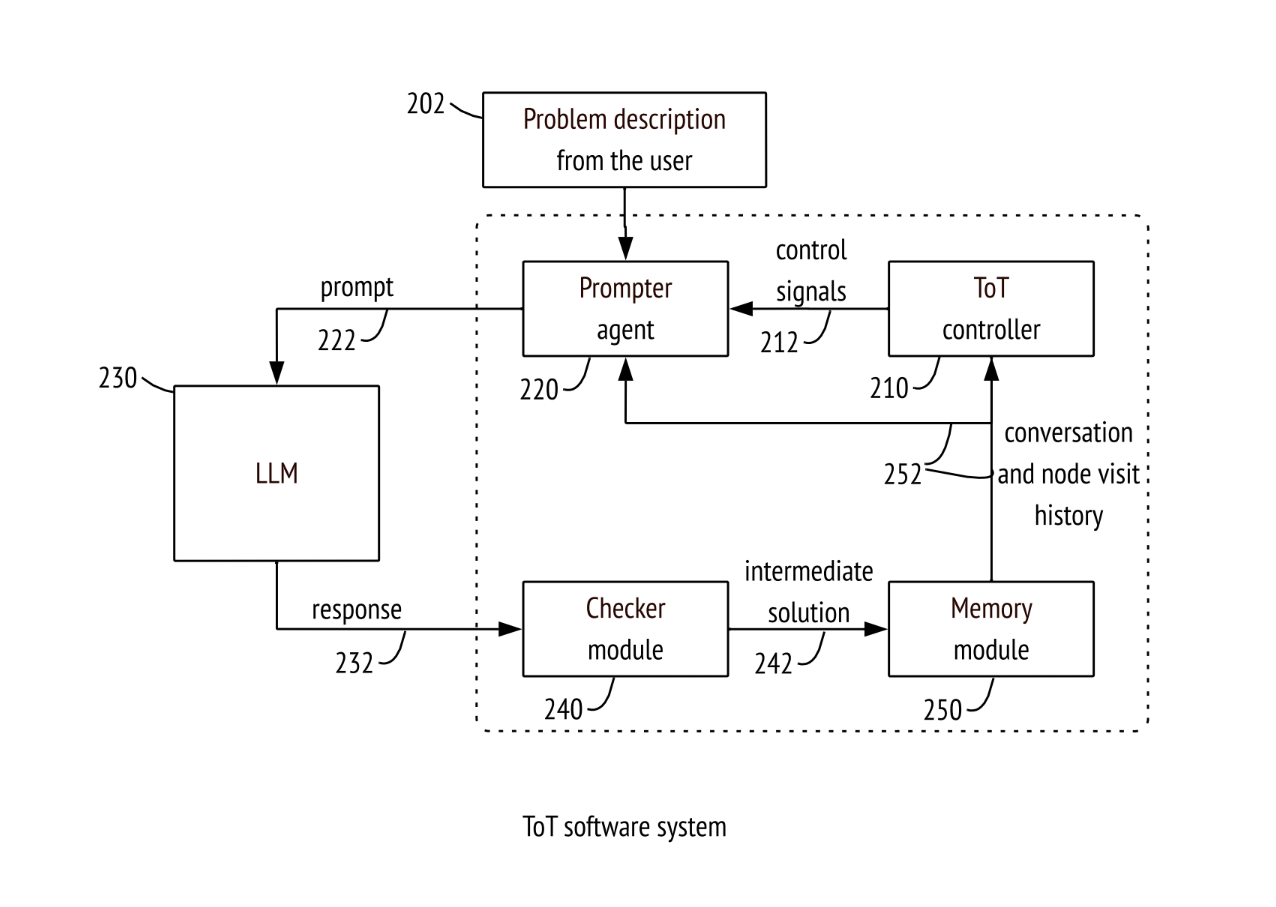
Improving EdgeCloud performance using Tree-of-Thought systems
EdgeCloud’s network of decentralized compute resources can use this Tree-of-Thought mechanism in extremely powerful ways, opening the door for increased adoption by AI labs and enterprises around the world:
1. Distributed Reasoning
Instead of one LLM generating a single reasoning chain, EdgeCloud nodes can collaboratively explore different reasoning branches (e.g., alternative problem-solving strategies, prompt completions, or hypothetical scenarios). Each node explores part of the reasoning tree in parallel.
2. Tree Synchronization Across Nodes
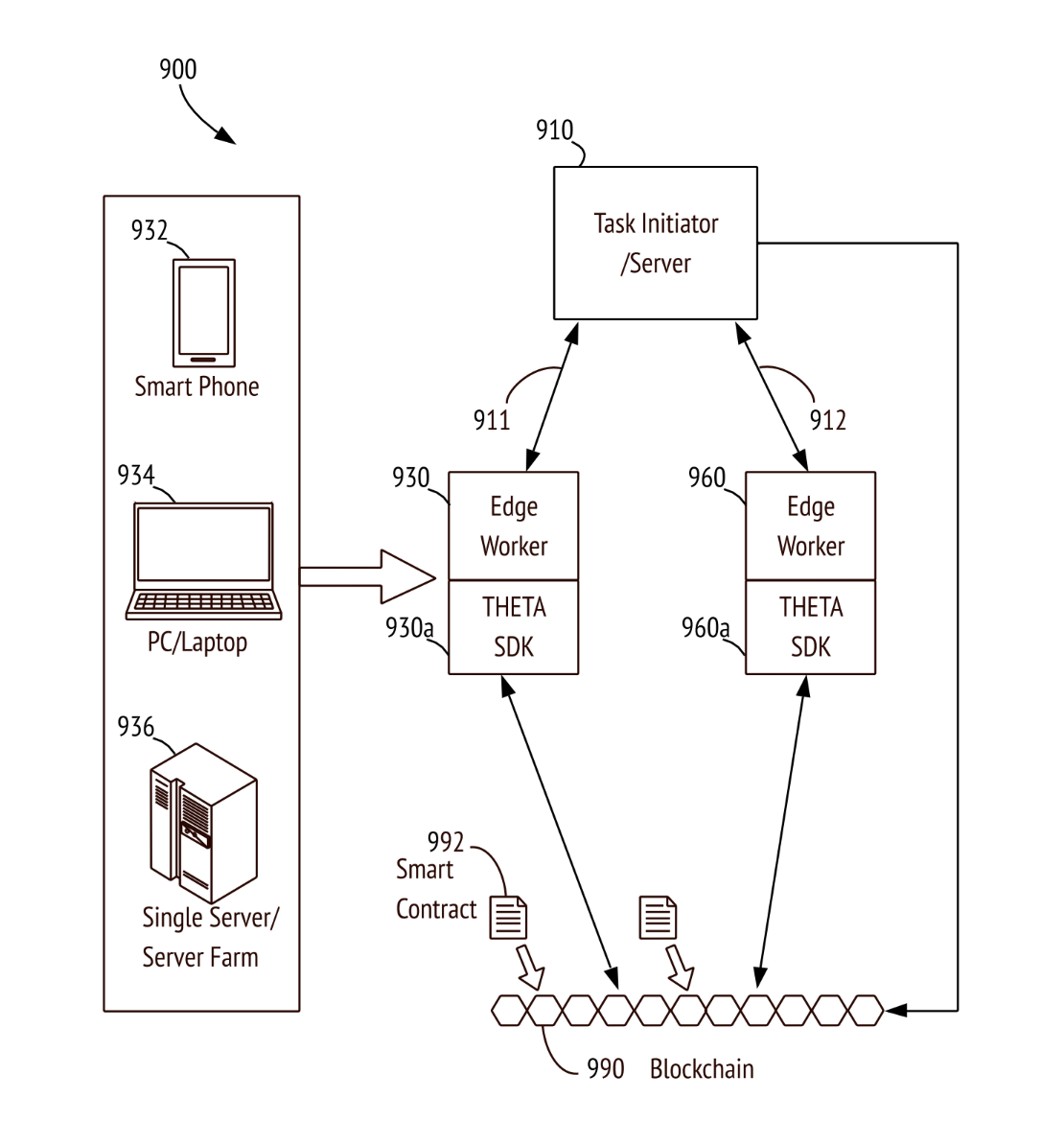
The ToT coordinator maintains a global reasoning tree distributed across nodes. Branch evaluations are aggregated and synchronized using EdgeCloud’s peer-to-peer protocols.
3. LLM Self-Consistency & Debate
The ToT framework can structure multi-model deliberation — different LLMs or replicas explore competing reasoning paths, which are later merged or voted on based on quality metrics.
4. Scalable AI Planning
The system can orchestrate multi-step planning tasks (e.g., complex query decomposition, code generation, or multi-agent simulations) across nodes — each node handling a subtree of reasoning.
5. Reinforcement Learning for Reasoning Quality
EdgeCloud can integrate reinforcement feedback to optimize which branches of thought are most promising — creating adaptive distributed cognition.