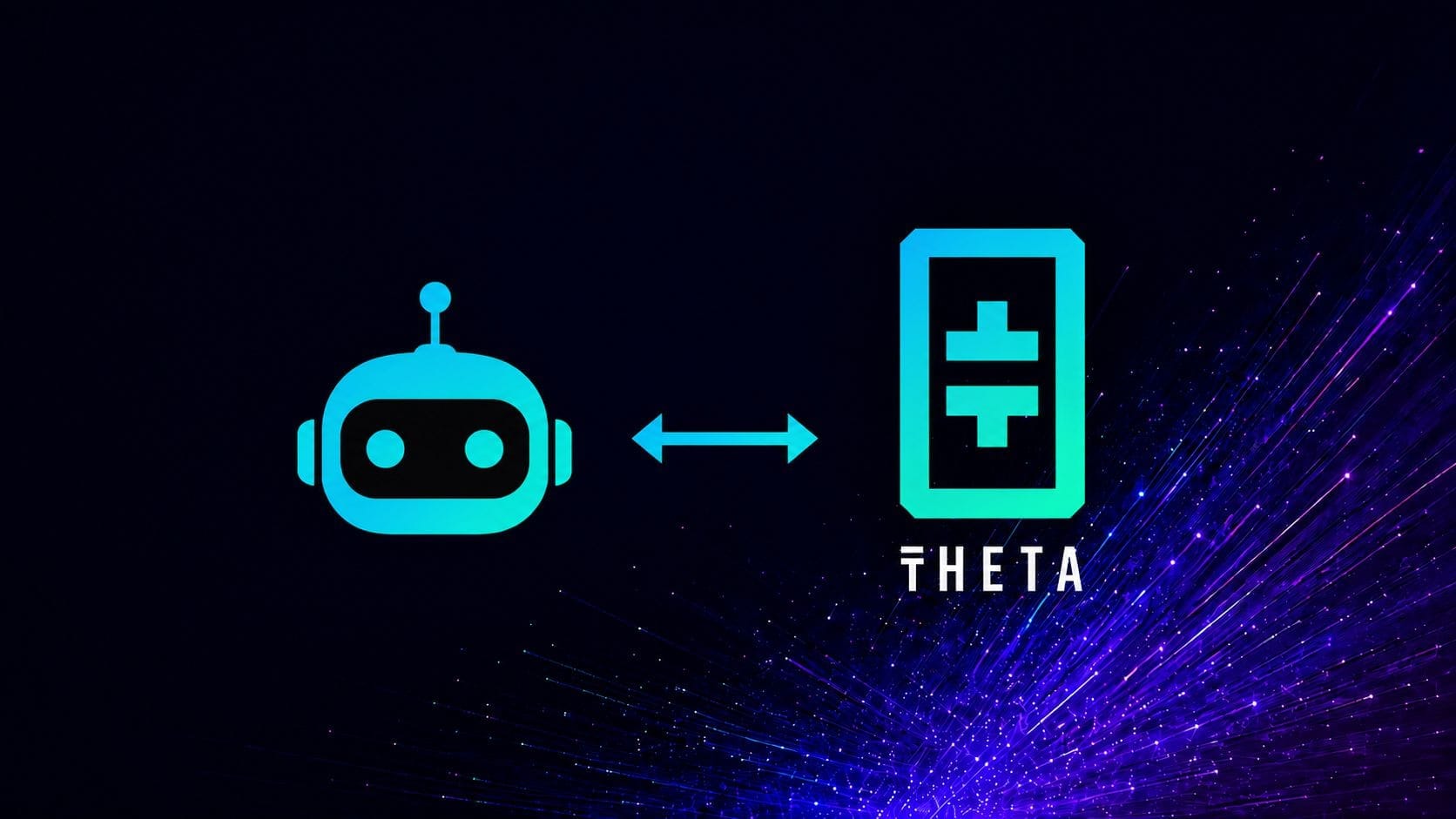
Theta EdgeCloud (TEC) has expanded its APIs and Model Context Protocol (MCP) server so AI agents can discover, deploy, and manage GPU infrastructure on their own.
An autonomous agent can find an available GPU, check pricing, deploy a node, monitor a job, and report back, the workflow a developer would otherwise handle by hand through the dashboard.
AI agents are beginning to dominate AI usage. Autonomous agents can consume substantially more inference resources than human-driven AI interactions. OpenRouter data published by a16z in August 2026 showed autonomous agents using nearly five times as many tokens as human users.
What's Now Available
TEC already supported API access and an MCP server focused mainly on On-Demand Model API inference. The recent work broadens and standardizes that coverage so a much larger share of TEC can be controlled programmatically, whether the caller is a script, a command-line tool, or an autonomous agent. The expanded, project-scoped API coverage includes:
- GPU resource discovery, including hosted and community GPU availability, hardware specifications, regions, and pricing
- GPU Node deployment templates
- GPU Node lifecycle management: list, inspect, create, start, stop, restart and delete
- Deployment status, events and logs
- Read-only billing information, including account balance, project usage, usage breakdowns, current pricing and top-up history
Every API key is scoped to a single TEC project, reaching only the resources tied to that project rather than an entire account. That isolation matters once agents and automated systems, not just people, are the ones holding credentials.
Where MCP Fits
The API is the underlying interface: endpoints, parameters and authentication built for developers and software. MCP sits above it and presents those same capabilities as tools an agent can call directly. MCP doesn't replace the API; it gives autonomous agents a standard way to use it, which is why broadening the API had to come first.
Put together, an MCP-connected agent can now handle requests that previously needed a person at the controls: investigating a failed deployment by checking status and logs, or answering a billing question through read-only access that can't touch the records themselves.
This extends who can become an EdgeCloud customer. Demand can now come directly from coding agents, automated pipelines, and other MCP-compatible systems, rather than a person opening a dashboard first. Given how much more compute agents consume than human-driven sessions, that's a meaningful shift in who EdgeCloud can serve.
You can browse Theta EdgeCloud's full GPU fleet yourself here.