Theta launched in 2019 as a decentralized content delivery network (CDN) for video, but the company has evolved considerably since then.
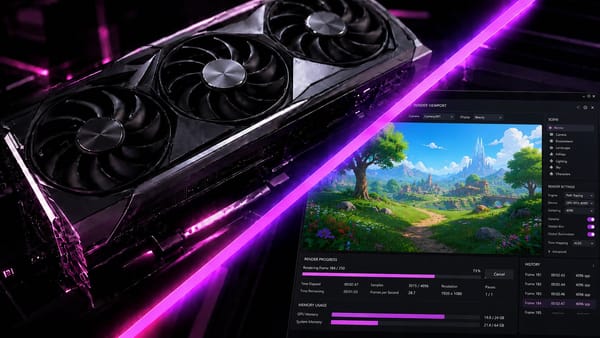
Today Theta Labs builds Theta EdgeCloud, decentralized physical infrastructure network (DePIN) that supplies GPU computing power for AI, along with enterprise AI products such as customer service AI agents. This is a short account of how that transition came about and what Theta does now.
Theta Labs builds Theta EdgeCloud, a decentralized network that supplies GPU computing power for AI, along with enterprise AI products such as customer service AI agents.
From video delivery to GPU computing
Theta's original decentralized network was designed to make video streaming cheaper and more efficient. Rather than relying entirely on central servers, viewers could share their spare bandwidth to relay streams to one another and earn token rewards for doing so.
In 2021 Theta launched the Theta Edge Network, which extended this model from bandwidth to processing power. Individuals could run edge nodes that used their CPUs and GPUs to encode and transcode video.
The same year, Theta filed a patent for an edge computing platform coordinated by a blockchain, which was granted in 2023.
As demand for AI computing accelerated and GPUs became scarce and expensive, it became clear that this capacity was far more valuable for AI in addition to video delivery, and in May 2024 Theta launched EdgeCloud. Theta now operates its video delivery network as part of EdgeCloud, and it has expanded that original infrastructure to include compute, AI, and the products built on it.
How Theta EdgeCloud works
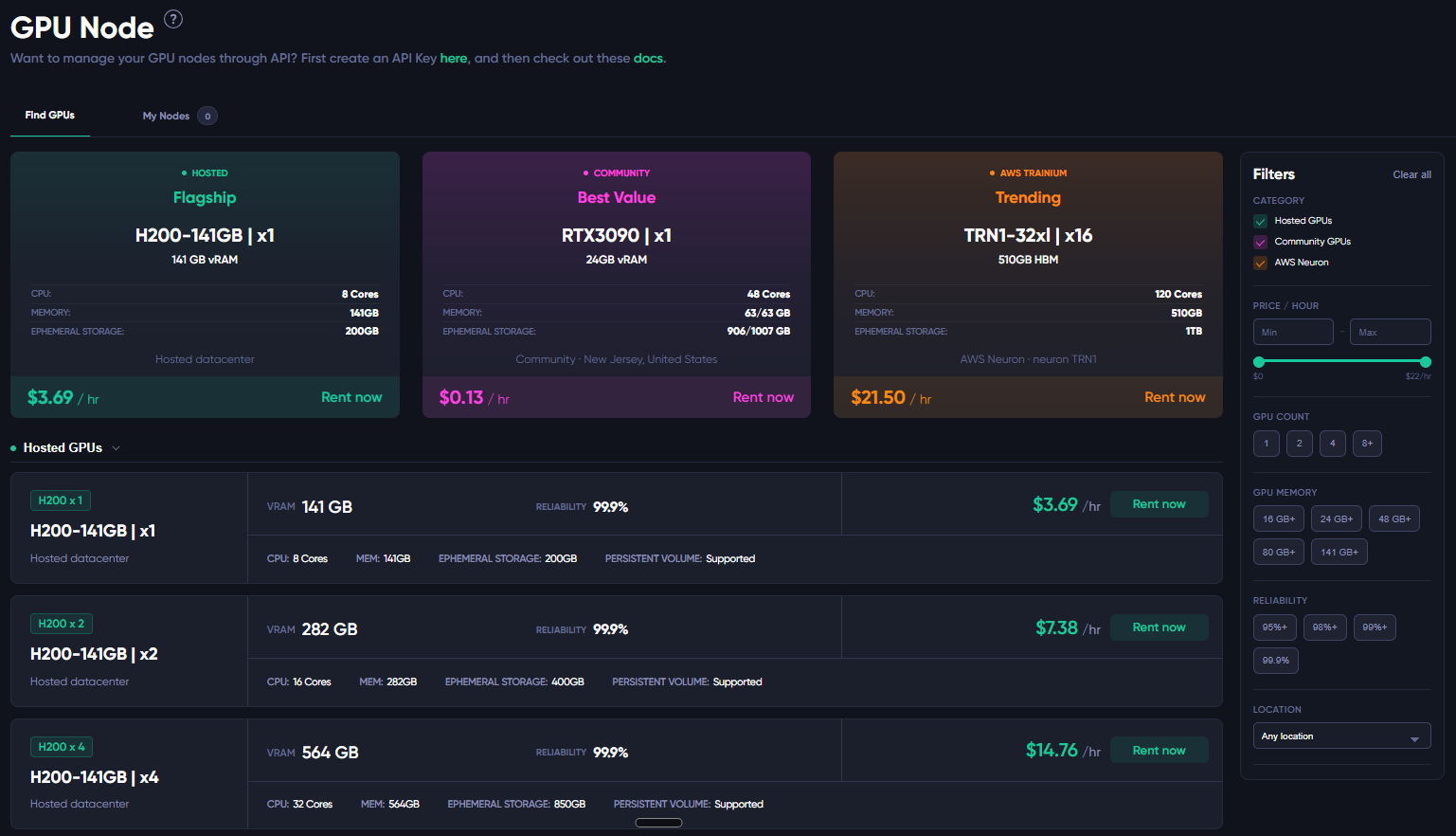
EdgeCloud combines GPU capacity from several sources and manages it as a single platform. The distributed edge network, which has grown from around 10,000 nodes in early 2024 to more than 30,000 today, is made up of machines run by individuals and organisations who contribute spare capacity in return for rewards. This is combined with partner data centres and enterprise cloud infrastructure from Google Cloud and AWS, which provide high-end hardware such as NVIDIA H200 and A100 GPUs.
When a customer submits a job, the platform routes it to the hardware best suited to its requirements and budget, so large training runs can be placed on data centre GPUs while inference, fine-tuning and other tasks that can be divided into smaller pieces run on consumer cards such as the RTX 4090 and 5090. Because much of this hardware would otherwise sit idle, EdgeCloud can offer compute at 50 to 70 percent below the rates of the major cloud providers. Universities including Stanford, Imperial College London, KAIST and NTU Singapore use it for AI research.
- 30,000+edge network nodes today, up from around 10,000 in early 2024
- 50–70%below the rates of the major cloud providers, which EdgeCloud can offer because much of its hardware would otherwise sit idle
- 30+universities, including Stanford, Imperial College London, KAIST and NTU Singapore, use it for AI research
The role of the blockchain
Coordinating thousands of independently owned machines raises questions that a conventional cloud provider never has to answer, such as how to confirm that a node has actually completed the work it was given and how to pay a global community of contributors fairly.
The Theta blockchain was built to handle this initially for video segments and now for AI compute jobs, rendering and more. Each compute task can be registered onchain and assigned to a node, the result can be verified by a smart contract, and the contributing node is then rewarded automatically.
This gives contributors a transparent record of their work and earnings, and it allows EdgeCloud to draw on hardware around the world without a separate agreement with every owner. For customers, the blockchain simply runs in the background.
Customer service AI agents for enterprises
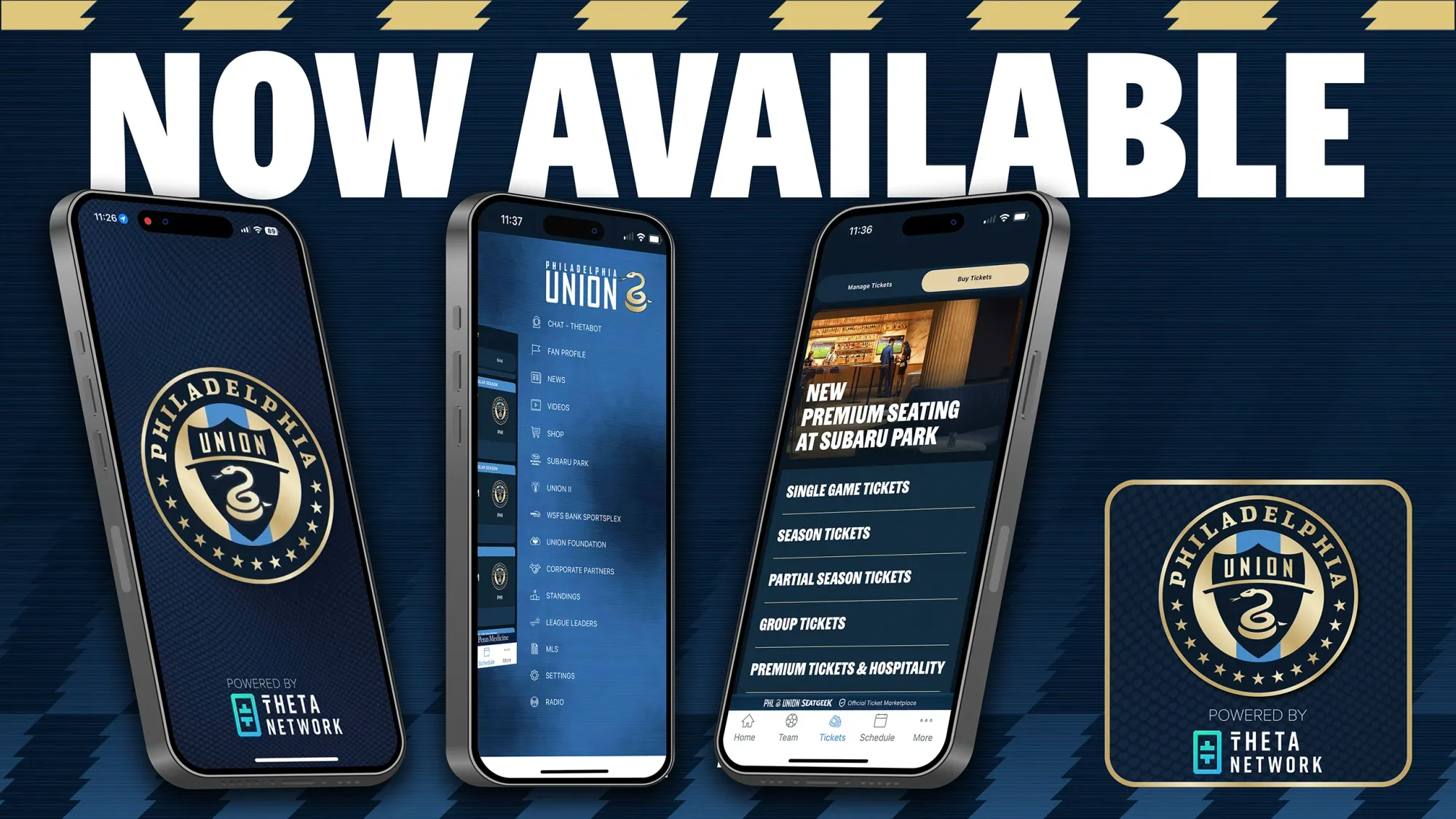
The same infrastructure powers Theta's enterprise AI solutions, the most prominent of which are its customer service AI agents. These give organisations a conversational AI assistant, embedded in their website or app, that answers questions from customers and fans at any hour. Each agent is built on the organisation's own information and proprietary data from NHL, MLS APIs, supplied as text, documents, web pages or live data, and its knowledge base stays continuously synchronised so that answers about tickets, schedules, products or policies remain current. Because the agents draw on this verified material rather than relying only on the general knowledge of the underlying language model, they are more dependable in a customer-facing role.
The agents are designed to work alongside human support teams. Conversations can be handed to a member of staff in real time during scheduled hours, and when the team is offline the agent collects contact details for follow-up. Through Theta Intelligence, organisations can also turn these conversations into dashboards showing what customers ask about most and where they run into difficulty.
AI Gaming Services
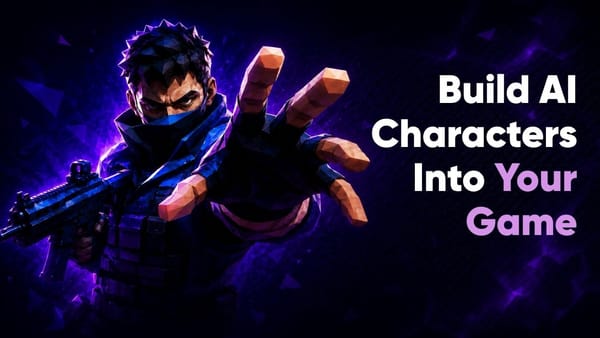
In Summer 2026, Theta launched its AI Gaming vertical, beginning with its AI Characters product, reflecting how quickly generative AI has moved from experimentation into everyday game development.
AI Characters gives developers a way to add AI-powered non-playable-characters (NPCs) to games and other interactive experiences, and it runs on the same EdgeCloud infrastructure as Theta's other products.
Developers describe the game world, including its setting, rules and atmosphere, and then define each character's personality, goals, speaking style and knowledge, with preset templates available for common archetypes. Characters respond to player dialogue, actions and in-game events. They can also return structured decisions that feed directly into a game's logic, which allows them to function inside an actual game loop rather than as chatbots.
Theta has published a public developer repository containing a working reference implementation and the full API specification. It has also released a poker demo in which players face AI opponents whose personalities stay consistent throughout a game.
Theta today
Theta now serves universities, AI startups, enterprises and sports organisations across the US, Europe and Asia. Its early work on distributing video across a peer-to-peer network turned out to be the foundation for something broader, and the company's focus today is on giving organisations affordable, flexible access to the computing power that AI depends on.
Key terms in plain English
- CDN
- Content delivery network: a network of servers that delivers video and other content to viewers quickly.
- DePIN
- Decentralized physical infrastructure network: real-world hardware, such as GPUs, contributed by many independent owners and coordinated as one platform.
- Edge node
- A computer run by an individual or organisation that contributes spare capacity to the network in return for rewards.
- Inference
- Running an already-trained AI model to produce answers or other outputs.
- Fine-tuning
- Further training an existing AI model on specific data so that it performs better at a particular task.
For updates on what we're building and working on, follow our blog at blog.thetatoken.org.